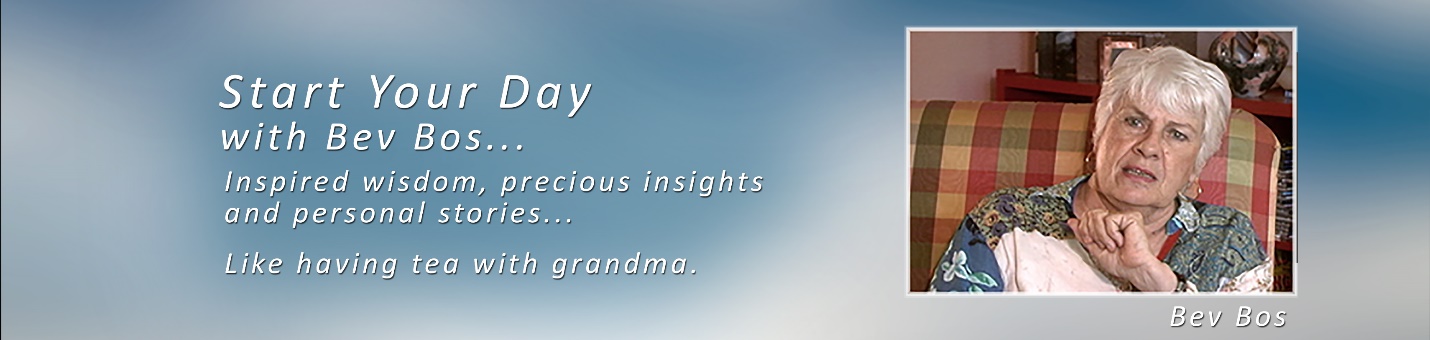
Sticks, sticks and stones and elephant bones is one of the things we talk about. This is what I think about this kind of stuff, the more you do it the more you know how to do it. You start with just rocks. You say okay, now what else could I get and you just find yourself looking at the world differently. You look at clay pots, oh that could be turned upside down, that could be used as a bridge if I have two of those. See I think you get better and better and better at it.
Things to think about
Can you make a commitment to bringing more things to the children that don’t cost any money/
What in your space do kids spend lots of time using?
What things in your current space could be passed on to a thrift store?
Highlights from Playful Wisdom
by Michael Mendizza featuring Bev Bos and Joseph Chilton Pearce
One of the things that Alan Shore, PhD., points out is that constant curtailment of the child’s own spontaneous interaction with the world does bring about very specific shifts and changes in the neural patterning of the brain. those early neural structures of the brain are experience dependent. the environment shapes how DNA spells out instructions to the whole system, how to build neural structures in the brain. We find that the child’s ability to interact with society is then curtailed by the curtailment of the neural structures involved. a negative response from the environment, that means largely the parent, family or immediate surroundings, is a threat to be cut off and abandoned. So you get the brain adapting in a totally different way to a harsh competitive anxiety ridden environment then a brain’s response to a nurturing protective environment. If this happens in utero or the early years those patterns for relating to the world are locked in. Many developmentalists say they’re immutable. We do know they can be changed later but at a tremendous price. the first three years of life is the most critical time of all. Why? Because the neural patterns that form are in relation to the kind of environment the child is experiencing. reward/punishment clouds or overshadows everything else once it is established. Alan Shore noted that every nine minutes the child receives a harsh negative prohibition from his caregiver or parent or family and later on from his teachers. “No.” “Don’t.” “Do that and you’ll get clobbered.” “You’ll suffer the consequences.” They’re hit with this at every turn. That keeps them locked into their survival modes. It prevents the development of the higher evolutionary structures of mind and prevents full growth of the neural structure itself. Joseph Chilton Pearce